Diocese and Provinces
Dioceses and Provinces
A diocese is an ecclesiastical district under the jurisdiction of a bishop. The term originates from the Greek word “dioikēsis,” meaning “administration” or "management." In the Christian Church, a diocese is a region that a bishop oversees, providing pastoral care and administrative leadership.
A province in church governance is a larger ecclesiastical territory that typically includes several dioceses. It is usually under the jurisdiction of an archbishop or a metropolitan. The term “province” historically comes from the Latin word “provincia,” which referred to a territory outside Italy governed by a Roman official.
Our Diocesan Model is a modern hybrid built on the model of the Latin church but is inclusive of modern episcopal developments resulting from Post-Reformation traditions and influences. Since Church polity is an ongoing development, we adjust as did the post-Apostolic, Medieval, Gothic, and other Church authorities throughout history.
Diocesan structures within the Christian Church can vary slightly depending on the denomination, but they generally follow a similar hierarchical framework. Here’s an overview:
1. Diocesan Bishop
The diocesan bishop is the chief administrative officer and spiritual leader of a diocese. Appointed by the Pope in the Catholic Church, the bishop exercises ultimate spiritual, executive, legislative, and judicial power within the diocese1.
2. Parishes
A diocese is divided into smaller communities called parishes. Each parish is typically overseen by a priest, known as the pastor, who is appointed by the diocesan bishop1. The pastor is responsible for the pastoral care of the parish community.
3. Vicar General
The vicar general is a priest appointed by the diocesan bishop to assist in the administration of the diocese. The vicar general holds significant executive power and often serves as the highest official in the diocese after the bishop.
4. Council
The diocesan council is the administrative body that assists the bishop in governing the diocese. It includes various offices and departments responsible for different aspects of diocesan administration, such as finance, education, and pastoral care.
5. Suffragan Bishops
In some dioceses, the diocesan bishop is assisted by one or more suffragan bishops. These bishops may be assigned specific regions within the diocese to oversee, providing additional support to the diocesan bishop.
6. Synod and Committees
In some denominations, such as the Anglican Church, the diocese may have a synod, which is a governing body composed of clergy and lay representatives. The synod, along with its committees, helps in decision-making and governance within the diocese.
1. Diocesan Bishop
The diocesan bishop is the chief administrative officer and spiritual leader of a diocese. Appointed by the Pope in the Catholic Church, the bishop exercises ultimate spiritual, executive, legislative, and judicial power within the diocese1.
2. Parishes
A diocese is divided into smaller communities called parishes. Each parish is typically overseen by a priest, known as the pastor, who is appointed by the diocesan bishop1. The pastor is responsible for the pastoral care of the parish community.
3. Vicar General
The vicar general is a priest appointed by the diocesan bishop to assist in the administration of the diocese. The vicar general holds significant executive power and often serves as the highest official in the diocese after the bishop.
4. Council
The diocesan council is the administrative body that assists the bishop in governing the diocese. It includes various offices and departments responsible for different aspects of diocesan administration, such as finance, education, and pastoral care.
5. Suffragan Bishops
In some dioceses, the diocesan bishop is assisted by one or more suffragan bishops. These bishops may be assigned specific regions within the diocese to oversee, providing additional support to the diocesan bishop.
6. Synod and Committees
In some denominations, such as the Anglican Church, the diocese may have a synod, which is a governing body composed of clergy and lay representatives. The synod, along with its committees, helps in decision-making and governance within the diocese.
DIOCESE AND PROVINCES
Provinces
Sed pede ullamcorper amet ullamcorper primis, nam pretium suspendisse neque, a phasellus sit pulvinar vel integer.
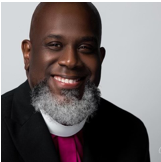
Archbishop Corey A. Jenkins
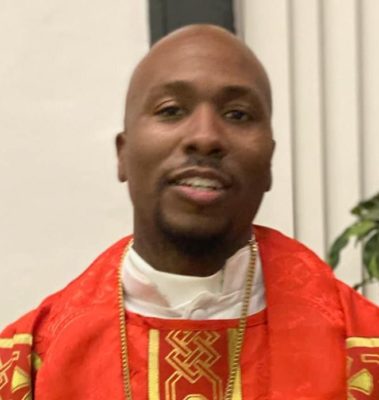
Archbishop Brian Long
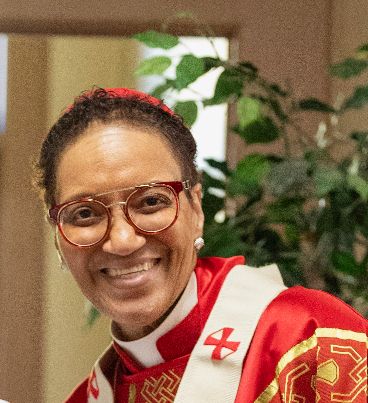
Archbishop Cassandra Smith
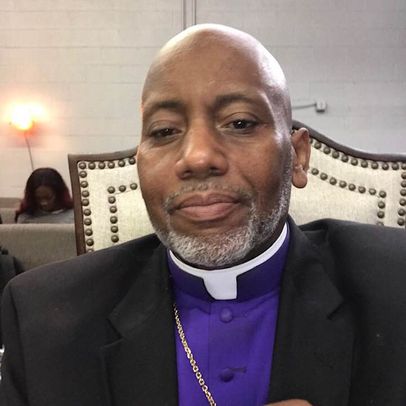
Archbishop Ezra T. Davis
DIOCESE AND PROVINCES
Dioceses
These Duly Consecrated Bishop-Priests are granted full Sacerdotal and Administrative Authority to care for the flock of God within the Church.
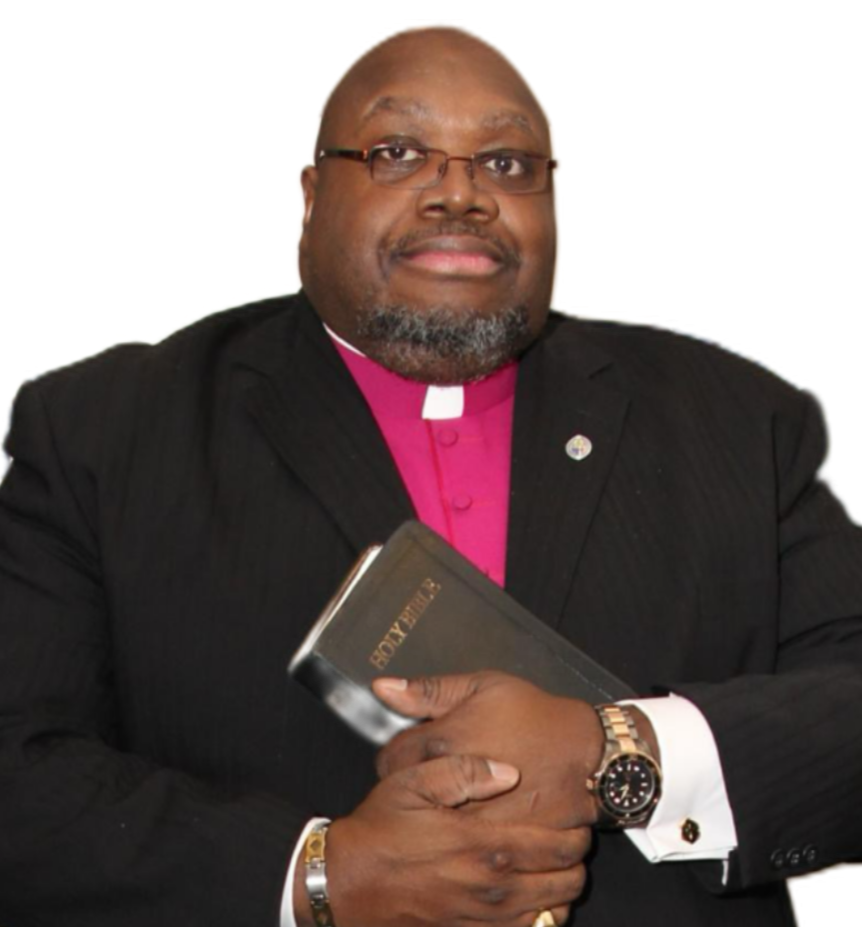
Charles E. Mitchell, Sr.
BishopUACC Abbot of The Sacred Order of Simon of Cyrene
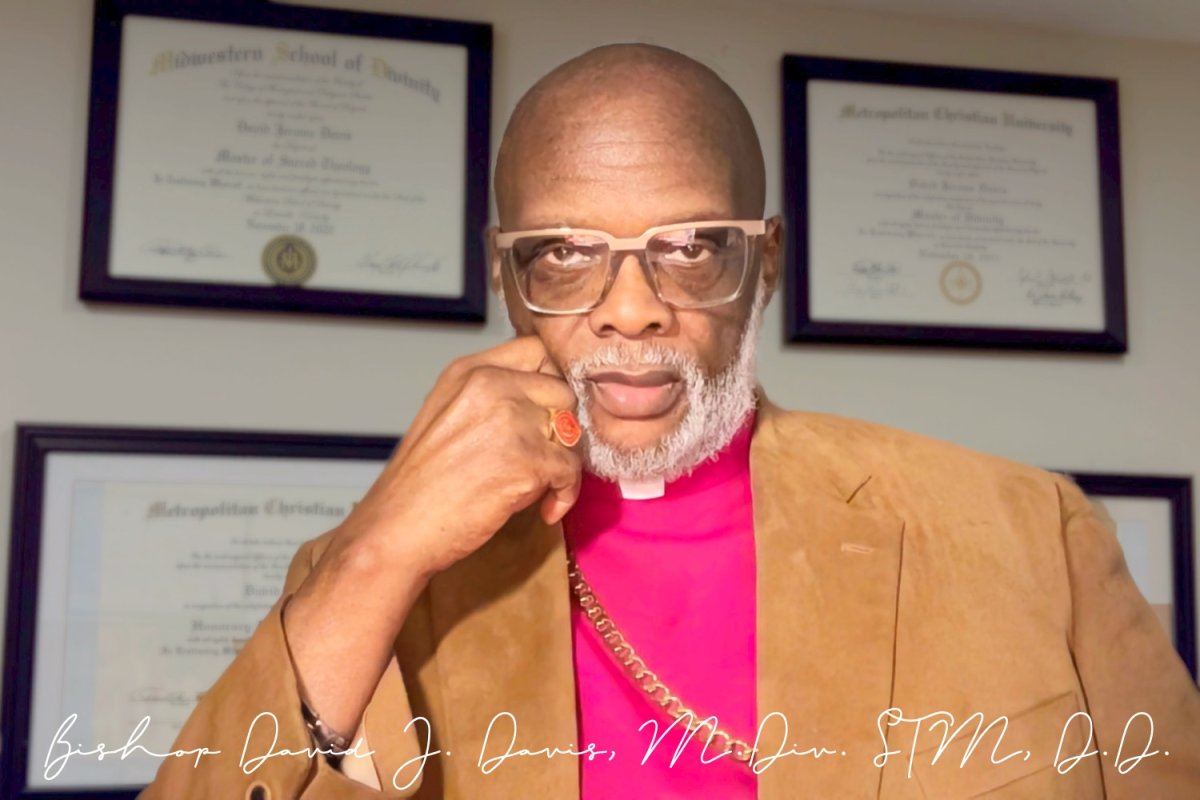
David J. Davis
BishopUACC Ecclesiastical Diocese of the Mid-Eastern States
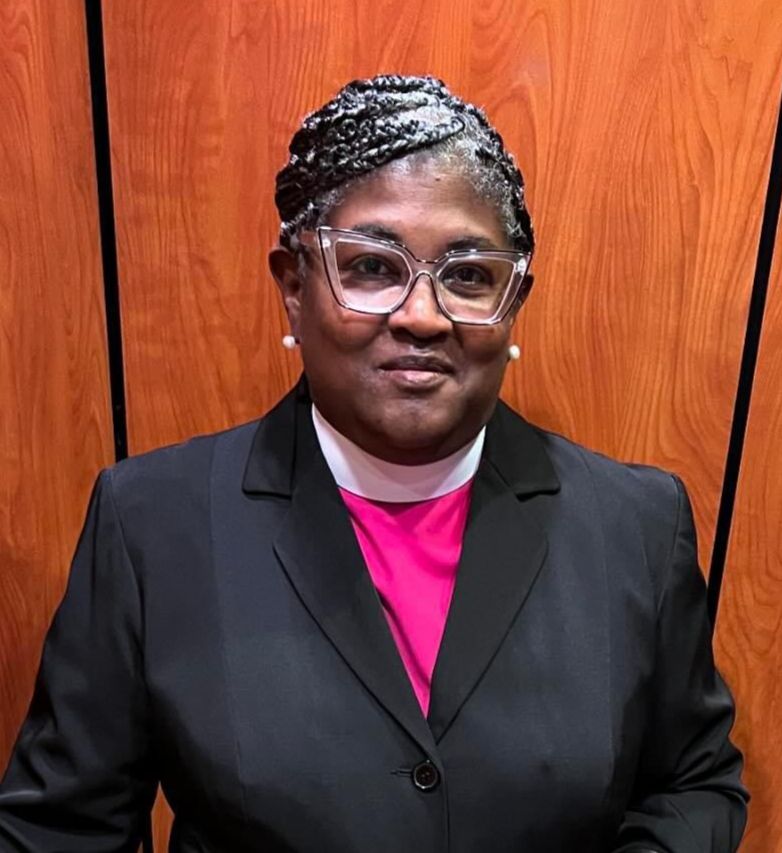
Bonita Jenkins
Bishop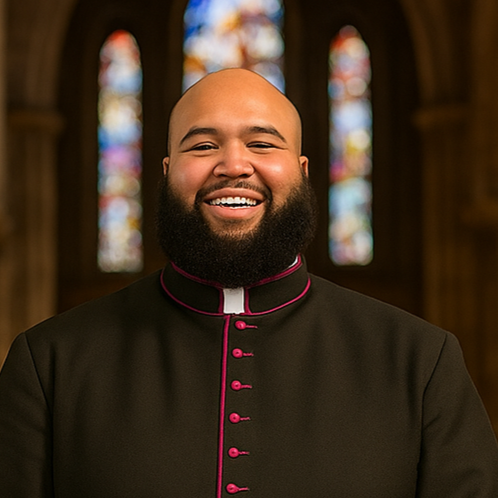
Demetrious Gunn
Bishop DesignateKingdom Life Cathedral